
Okay, so check this out—I’ve been messing with Solana wallets for a few years now, and something about the Phantom browser extension finally clicked for me. It’s not perfect. Far from it. But when you want speed, low fees, and a browser-first UX that doesn’t make you feel like you’re assembling a rocket, Phantom delivers in ways that actually matter day-to-day.
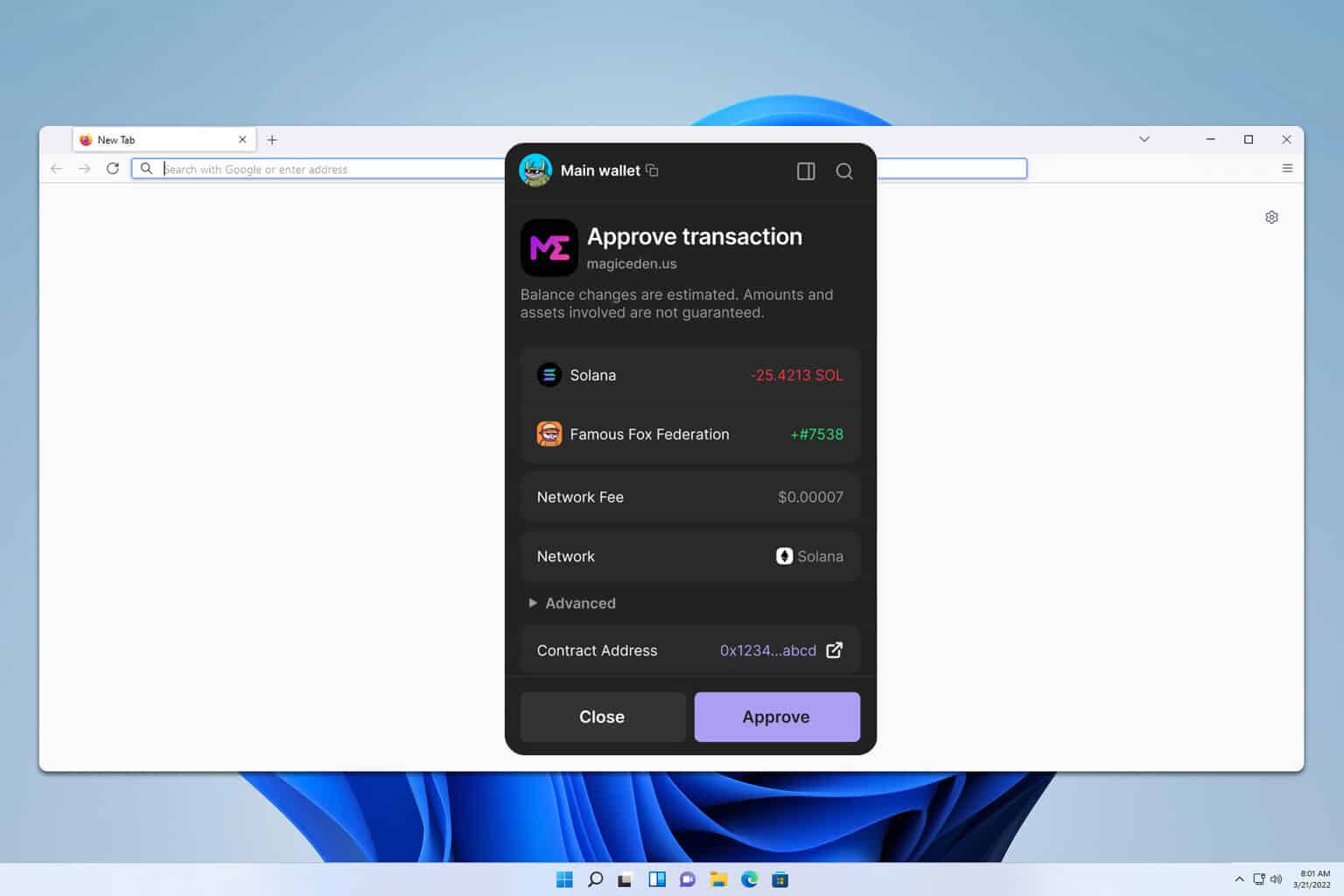
My first impression was: fast. Really fast. Transactions that used to take forever on other chains pop through in seconds on Solana. That alone changes the vibe of interacting with NFTs and DeFi. But speed isn’t the whole story—usability is. Phantom nails the little things folks forget until they’re missing them: clear confirmations, a simple asset list, and sane permission prompts. That matters when you’re juggling multiple tabs and a crowded mental model of what you’ve approved where.
What Phantom Gets Right (and why it matters)
First: onboarding. Phantom’s setup flow is straightforward without being dumbed-down. You create a wallet, save your seed, lock it with a password—done. No 27-step ritual. That reduces friction for folks who are intimidated by crypto’s usual theater of complexity. I’m biased—I’m impatient—but I appreciate when tools respect my time.
Second: connection UX. Phantom’s connect prompts are contextual and usually clear about what a dApp is asking to do. That doesn’t mean you should click everything. Seriously—review permissions. But Phantom makes it less painful to decide. On one hand, dApps need permissions to function; on the other, I want to know what I’m approving. Phantom sits in the middle in a reasonable way.
Third: integrated token and NFT management. The wallet shows tokens, SOL balance, and NFTs in a single, tidy interface. You can send, swap, or stake without hopping to a command line or another app. That seamless flow is why many users pick browser extensions over mobile-only wallets—convenience matters.
Security: Pragmatic, Not Paranoid
I’ll be honest: browser extensions aren’t as airtight as hardware wallets. But Phantom does a solid job of minimizing risk for most users. It isolates the seed locally, offers standard password protection, and shows clear transaction details before you approve. For everyday use—NFT browsing, small swaps, interacting with on-chain apps—it’s more than adequate.
That said, if you’re custodying large sums, consider a hardware wallet in conjunction with Phantom. Use the extension for daily interactions, but sign big transactions with a hardware device. It’s not glamorous, but it’s sensible. My instinct said the same thing the first time I moved a significant amount—don’t trust any single interface blindly.
Performance on Solana: A Real Advantage
Solana’s low fees and high throughput are what make the Phantom experience shine. Transactions complete quickly and cheaply, which changes behavior: you won’t overthink small transfers or NFT flips. On slower chains, you feel every confirmation delay; on Solana with Phantom, you just… act. The network’s quirks do show up sometimes—congestion events can slow things—but those moments are rarer than on many alternatives.
Also, Solana’s ecosystem moves fast. New marketplaces, games, and DeFi products show up regularly. Phantom stays nimble with updates and integrations, and that matters when you’re trying to demo something or follow a trend. You want a wallet that doesn’t lag behind the apps you use.
Phantom’s Mobile and Cross-Device Story
Phantom started as a browser-first experience, and the mobile app has closed much of that gap. If you’re switching between desktop browsing and phone wallet signing, Phantom handles it with decent continuity. Not seamless in a flawless way—there’s still room for polish—but it’s functional for most user flows.
Oh, and one practical tip: use the extension for heavy browsing and the mobile app for quick on-the-go approvals. That split keeps you from fumbling with long seed phrases on a tiny screen when you’re in a rush.
How to Get Started (a realistic checklist)
Okay, practical steps—because tutorials that talk in abstractions bug me.
- Create the extension in your browser and set a strong password.
- Write down the seed phrase on paper. Not in a cloud note. Not on a phone photo. Paper.
- Fund the wallet with a small amount of SOL first to test transactions.
- Connect only to dApps you trust and verify URLs—phishing is real.
- Consider a hardware wallet for large balances and link it where supported.
Where Phantom Could Improve
There are a few gripes I have. The extension sometimes pushes updates that change UI elements subtly, which can confuse less frequent users. Notifications could be smarter—more context, fewer false alarms. And while the integration ecosystem is broad, some advanced DeFi workflows still feel like they require a power-user mindset.
But these are incremental. Phantom’s core value—making Solana accessible in a browser-first way—remains solid. If you’re a casual user or a creator minting NFTs, Phantom lowers the barrier to entry in a meaningful way.
Want to Try Phantom?
If you want to test it, start with small steps: set it up, fund a bit of SOL, and try a benign swap or mint. For many users, that first successful transaction erases a lot of the fear. If you’re ready, here’s the place to get the browser extension: phantom wallet.
FAQ
Is Phantom safe for everyday use?
Yes—for everyday transactions and interactions with dApps, Phantom provides sufficient security and clear UX. For storing large amounts long-term, pair it with a hardware wallet.
Can I use Phantom on mobile and desktop?
Absolutely. Phantom offers a browser extension for desktop and a mobile app. Use the extension for heavy browsing and the mobile app for approvals on the go.
What if I lose my seed phrase?
Then you lose access. That’s why writing the seed down and storing it securely is essential. Phantom can’t recover your wallet without it.

Leave a reply
You must be logged in to post a comment.